
On-demand webinar
Stop hoping your next sales hire works out
What you’ll learn :
- Why a bad sales hire can cost $130,000 to $240,000 or more, and three to five times the role's salary
- How assessing candidates early cuts the time you spend from at least 20 hours to six, with a 90% or greater success rate
- The difference between predictive and personality assessments, and the red flags to look for in the results
- Five interview techniques most companies miss, including the show, don't tell exercise
What's covered
Inside the session. Watch a clip, then get the full recording.
The talent pool has changed and competition for top salespeople is fierce, yet hiring is the one process companies do not revamp. A bad sales hire can cost $130,000 to $240,000 or more.
The traditional route: collect resumes, interview several times, then hope. A fifty-fifty chance and at least 20 hours. Assessing early instead takes about six hours with a 90% or greater success rate.
Most companies skip profiling the candidate. Get descriptive about what they need inside, then tailor a predictive assessment to it. Removing bias early can lift your chance of a top performer by 25 to 64%.
Objective Management Group has assessed over 2.3 million candidates and identified 21 core competencies across will to sell, sales DNA and tactical skills. Low responsibility and zero coachability are red flags that shape your interview.
Role play and simulate the real job. Ask evidence-based questions and push for numbers. Ask the same question different ways. Have candidates show, not tell. Challenge assumptions and dig deeper.
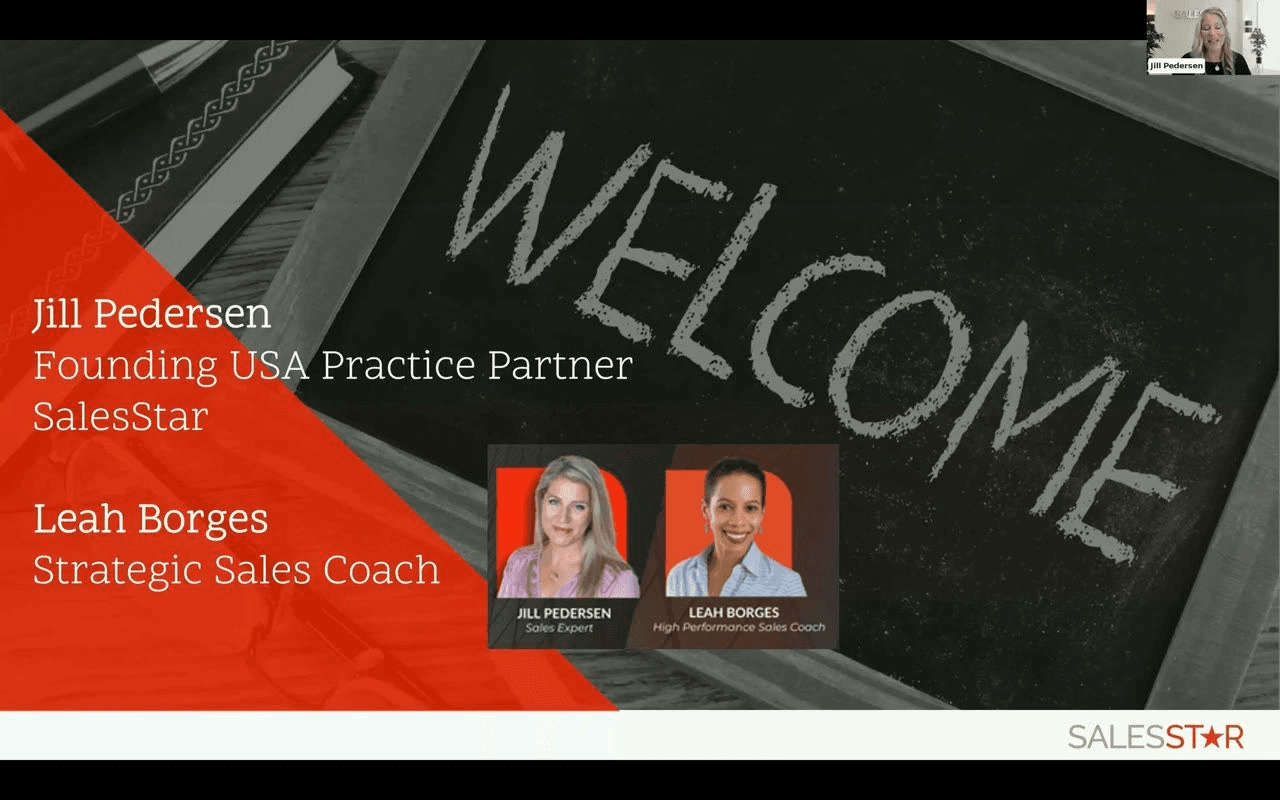
Leah describes being asked to analyse a live pipeline during her own interview, and what it revealed about eagerness, coachability and business acumen. Top performers pick the company that clearly knows what it wants.
Profile where your ideal candidate lives online and which groups they belong to. Ask your own top performers, top salespeople at other companies, your network, and even the local Chamber of Commerce.
Will an upfront assessment scare candidates off? And when do personality assessments belong in the process alongside predictive ones?
Resources
Get the recording
Frequently asked questions
Common Questions
The session cites Harvard Business Review: a bad sales hire can cost $130,000 to $240,000 or more depending on the role and salary, or roughly three to five times the salary over time. It can also take six to eight months to realise the hire is not working out.
A predictive assessment is tailored to the role and ideal candidate profile and tests sales performance competencies, such as will to sell, coachability and the ability to reach decision makers. Personality assessments have their place, but the presenters recommend using them later, on the final one or two candidates, to check cultural fit.
It is a common worry. The presenters' view is that true top performers are not afraid to be tested, and assessments before screening are now common. If a candidate will not take it, they are probably not the candidate you want.
The traditional approach of reviewing resumes and running multiple interviews takes at least 20 hours of the hiring manager's time for a fifty-fifty result. Assessing early, then shortlisting and interviewing the recommended candidates, takes about six hours with a 90% or greater success rate, according to the session.
Simulate the real job with role plays and case studies, ask evidence-based questions that push for specific numbers, ask important questions more than one way to check consistency, have candidates demonstrate rather than describe, and challenge their assumptions. Use the assessment results to decide what to probe, such as whether they take responsibility for leaving their last role.
Profile where your ideal candidate lives online and which groups they belong to, then go there. Ask your top performers which networks they are in, ask top salespeople at other companies who they would recommend, watch for leaders posting about strong sellers after layoffs, and try the local Chamber of Commerce.
The next step
Stop running on heroics. Start engineering revenue.
Whichever way you work with us, the same proven Revenue OS runs underneath. Book a growth session and we’ll show you where to start.