
On-demand webinar
Squeeze the pipeline without emptying it
What you’ll learn :
- Why squeezing the pipeline without balancing it leaves you with an empty funnel and a lumpy next quarter
- How to reverse engineer a $1.2 million target into ten sales, 20 proposals and 40 discovery meetings a month
- Why sales budget versus actual is a rear-view mirror, and which leading activities predict the result
- What belongs in a weekly one-on-one, and why the number one team performance problem is a lack of accountability
What's covered
Inside the session. Watch a clip, then get the full recording.
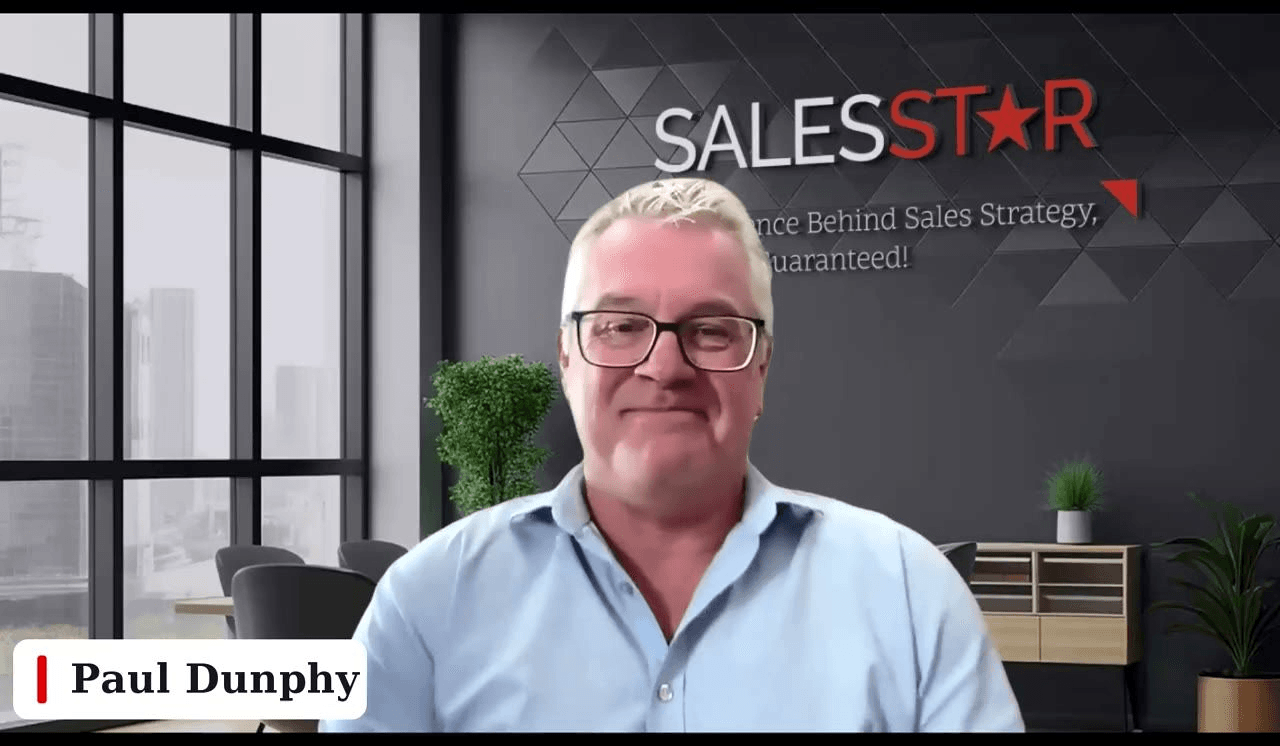
Paul and Steve describe cautious optimism among their clients, with exporters still uncertain. In the audience poll, 59% said cautious optimism, only 7% felt strong and very optimistic, and 4% said they have no pipeline at all.
The first three levers from the previous session: get the right platform, build or clean up the pipeline, and squeeze it, moving every opportunity forward or getting rid of it so it stops distorting the forecast.
Squeeze without balance and the pipeline empties, giving the peaks and troughs of lumpy cash flow. Steve's construction client used its ideal target market to rebuild and doubled its conversion rate in about nine months.
There is a formula for the value you need at every stage. The simple version: if you close 20% of leads, you need five times your budget in the pipeline. Velocity matters too, because 80% likely to close still raises the question of when.
Budget versus actual is the rear-view mirror. Paul's industrial pumps client knows, per person, how many leads, conversations, discovery meetings and proposals it takes each month, and keeps refining the conversion ratios between stages.
$100,000 a month at a $10,000 average sale is ten sales, 20 proposals, 40 discoveries and about ten conversations a day. Start from educated guesses if you have to, then sight the rifle as real ratios come in.
Weekly one-on-ones, weekly sales meetings and in-field coaching. A good one-on-one opens with a temperature check, inspects the pipeline and KPIs, and always ends with an action to check next week.
With three or four salespeople, someone, often the owner, still has to own the number and run the one-on-ones. With eleven direct reports, a well-prepared half hour beats no one-on-one, though best practice is no more than five or six reports.
Resources
Get the recording
Frequently asked questions
Common Questions
If that is all you do, the pipeline empties. Paul sees new clients end up with nothing in their pipeline after a squeeze, and Steve describes the lumpy peaks and troughs that follow. Alex has seen a company come very close to going under after a brilliant year end followed by six months of drought, because nobody kept working the front of the funnel.
The session gives a simple rule of thumb: if you close 20% of your leads, you need five times your budget in pipeline value. The panel adds that time matters as well as value, because opportunities sit in some stages longer than others, and an 80% chance of closing still leaves the question of when.
No. Paul calls those the rear-view mirror. The KPIs that matter are leading indicators: the leads, conversations, discovery meetings and proposals each person needs each month to hit their budget, plus the conversion ratios between those stages.
Start with an educated guess as a placeholder. Steve says probably nine out of ten of his new clients do not have this information, so they begin with something like "of ten proposals we win about five" and refine as they track it. Even estimates get people into activity mode, and activity builds the pipeline.
The panel calls it time well spent, not time written off. Salespeople may fold their arms at first, but they come to value the one time each week they get their manager's undivided attention. Paul also describes a client whose interruptions dropped once one-on-ones were in the diary, because questions were saved up for the meeting.
Yes, if it is highly structured and the salesperson arrives prepared, with the pipeline up to date and priorities and good news filled in beforehand. Half an hour is far better than no one-on-one, though Paul would still book an hour where possible.
The next step
Stop running on heroics. Start engineering revenue.
Whichever way you work with us, the same proven Revenue OS runs underneath. Book a growth session and we’ll show you where to start.